Your Guide to Eco Telcos in Australia

This post was last updated in 2026
Hello there my eco-conscious warriors 😊
When we think about making greener choices, our phone plan probably isn’t the first thing that comes to mind. But it can be a factor to consider – while we are used to looking at data allowances, coverage and price, an additional consideration could be how the company behind your connection approaches sustainability.
The Australian telecommunications industry is made up of different types of providers, from the large network operators that own and maintain the infrastructure, to smaller mobile providers that use these networks to offer their own plans. Understanding this difference is an important first step when choosing an eco friendly phone plan, because sustainability can look different depending on how a telco operates.
In this guide, I’m exploring the world of eco and ethical telco options in Australia — looking at the major network providers as well as smaller purpose-led mobile providers — to understand the choices available for anyone wanting to make a more conscious decision about staying connected. What I found is not surprising – there are very few options avialable if you want to make a greener choice.
Of the three major network providers, Vodafone is a standout. When looking at smaller mobile providers, the options are limited, with only Felix Mobile making a clear stance on a sustainability platform and a stand out as an eco telco. However providers like Goodtel, Aussie Broadband and ZenSIM are worth considering, for reasons to be covered.
To learn more about these companies and why they are a better choice than their competitors, keep reading. In this blog post I cover
Let’s get into it 🚀
Understanding Australia’s Mobile Providers
Before comparing Australia’s eco-friendly telcos, it’s worth understanding that not all mobile providers operate in the same way. While they may all sell phone plans, they have very different levels of responsibility when it comes to their environmental impact.
Network Operators
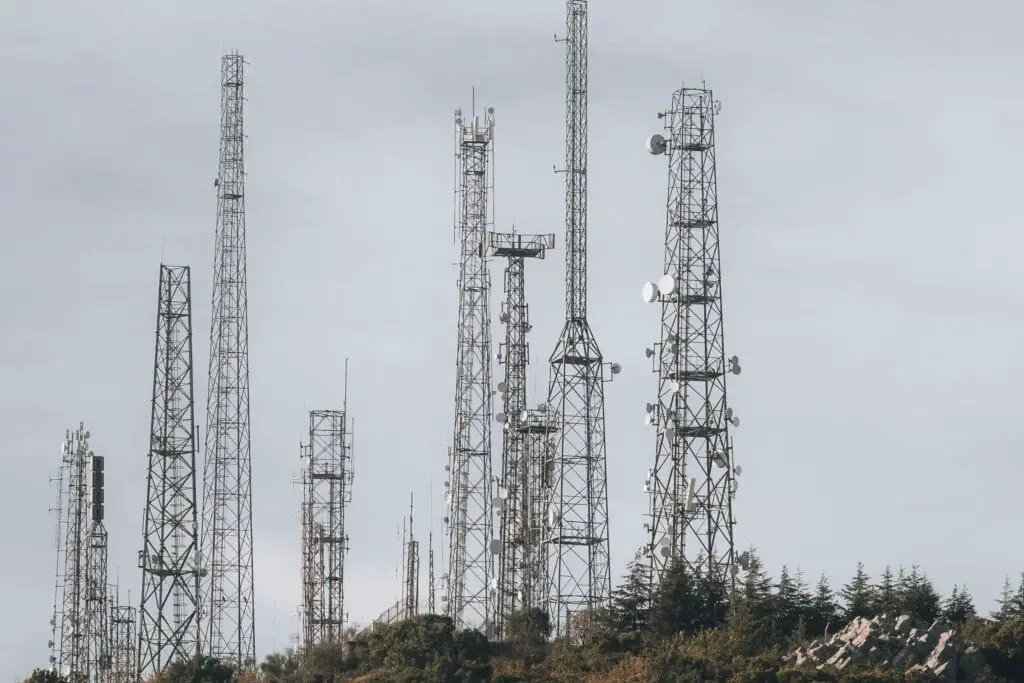
Network operators own and maintain the mobile infrastructure that keeps Australia connected. They build and operate mobile towers, data centres, fibre networks and other equipment needed to deliver phone and data services.
Because they own this infrastructure, network operators consume significant amounts of electricity and have direct control over many of the factors that influence their environmental footprint. They also have the resources to invest in renewable energy, improve network efficiency and reduce emissions across their operations.
There are three network operators in Australia:
- Telstra
- Optus and
- Vodaphone (part of TPG Telecom)
When assessing the sustainability of a network operator, it’s worth looking at:
- Renewable energy – Does the company use or invest in renewable electricity to power its network?
- Climate targets – Has it set science-based emissions reduction targets or a clear pathway to net zero?
- Carbon emissions – Does it publicly report its greenhouse gas emissions and progress each year?
- Circular economy initiatives – Does it repair, refurbish and recycle devices and network equipment to reduce waste?
- Responsible sourcing – Does it have policies covering ethical sourcing of minerals, suppliers and manufacturing?
- Transparency – Does it publish detailed sustainability reports with measurable progress rather than broad marketing claims?
Mobile Virtual Network Operators (MVNOs)
Mobile Virtual Network Operators, or MVNOs, don’t own mobile towers or the underlying network infrastructure. Instead, they purchase network access from one of Australia’s major network operators and sell their own mobile plans under a different brand.
Because they don’t operate the physical network, MVNOs have a much smaller direct environmental footprint. Instead, their sustainability credentials are often reflected in how they run their business, the causes they support and the choices they make as a company.
When assessing an MVNO, consider:
- Business sustainability – Does the company have a genuine commitment to environmental or social impact beyond marketing?
- Renewable energy – Does it power its offices and operations with renewable electricity where possible?
- Climate action – Does it measure, reduce or offset its operational emissions?
- Environmental initiatives – Does it fund tree planting, habitat restoration or other verified environmental programs?
- Device and e-waste programs – Does it encourage customers to recycle old phones or extend the life of devices?
- Certifications and transparency – Does it hold recognised certifications, such as B Corp, or publish clear sustainability information?
Why They Shouldn’t Be Judged the Same Way
Comparing a network operator with an MVNO is a little like comparing an airline with a travel agent. One owns and operates the infrastructure that creates most of the environmental impact, while the other provides a service using someone else’s infrastructure.
So when assessing MVNOs the focus is on areas they can genuinely influence, such as responsible business practices, renewable energy use within their own operations, environmental partnerships and transparency. The bar is somewhat lower, but in practice it needs to be.
Best Eco Network Operator in Australia
The three major mobile network operators in Australia all publish sustainability information and have programs to reduce their environmental impact. However, there are clear differences in how ambitious their climate commitments are and how consistently they report on their progress. Here’s a table to summarise it all:
Why Vodafone Comes Out on Top
While all three network operators are making progress, Vodafone Australia (TPG Telecom) stands out as the strongest overall choice for environmentally conscious consumers.
One of Vodafone’s biggest strengths is its commitment to reducing emissions through renewable electricity. The company has transitioned its Australian operations to renewable electricity and has set science-based emissions reduction targets that align with global climate goals. It also provides detailed reporting on its greenhouse gas emissions and regularly publishes updates on its sustainability progress, making it easy to track how the business is performing over time.
Vodafone also performs strongly in transparency. Rather than relying on broad environmental claims, it publishes comprehensive sustainability reporting that outlines both its achievements and the work still to be done. This openness gives consumers greater confidence that the company’s environmental commitments are backed by measurable action.
Telstra remains a strong performer, particularly when it comes to responsible sourcing, device recycling and circular economy initiatives. As Australia’s largest telecommunications provider, it has invested heavily in programs that extend the life of devices and reduce electronic waste. However, its larger operational footprint is an undeniable, albeit perhaps inevitable, downside.
Optus has established climate commitments and sustainability initiatives, but overall its environmental reporting and targets are less comprehensive than those of Vodafone and Telstra. While it continues to make progress, it currently falls slightly behind the other two operators across most of the criteria assessed.
Overall, Vodafone offers the strongest balance of ambitious climate action, renewable energy use and transparent reporting. While no network operator is without environmental impacts, Vodafone currently provides the most compelling option for Australians looking to reduce the environmental footprint of their mobile service.
Best Eco Mobile Phone Providers in Australia
While network operators have the biggest influence over the environmental impact of mobile infrastructure, smaller mobile providers can still make meaningful choices about how they operate. Mobile Virtual Network Operators (MVNOs) don’t own the towers or networks they use, but they can influence sustainability through their business practices, energy choices, environmental partnerships and how transparently they communicate their impact.
For Australians looking for an eco friendly phone plan, these four providers stand out for their efforts to combine mobile services with stronger environmental and social commitments.
Felix Mobile: The Standout Eco Choice
Among Australia’s MVNOs, Felix mobile stands out as one of the strongest options for those if us wanting a more environmentally conscious mobile provider.
Felix has built sustainability into its brand from the beginning, with a clear focus on renewable energy, climate action and environmental initiatives. The company operates as a carbon-neutral mobile provider and has made renewable electricity a key part of its sustainability approach in running its business operations. It also supports environmental projects designed to address the impact of its operations beyond simply reducing emissions.
Another strength of felix is that sustainability is not treated as a separate campaign — it is central to how the brand positions itself. Its commitments are easy for people to understand, making it one of the more accessible choices for people looking to switch to a greener mobile plan.
While there is still room for improvement around areas such as device circularity and broader transparency reporting, felix currently offers one of the most well-rounded sustainability choices among Australian MVNOs.
Goodtel: Purpose-Led and Transparent
Goodtel is another standout option, particularly for people who value social impact alongside environmental responsibility. The provider has built its business around the idea that telecommunications can contribute to positive change, supporting community initiatives and environmental causes through its operations.
Goodtel performs strongly in business sustainability and transparency, with clear communication around its impact goals and partnerships. Its social enterprise approach helps differentiate it from traditional telcos, showing that a mobile provider can use its business model to support wider environmental and community outcomes.
Where Goodtel scores slightly lower is in areas such as renewable energy use and device recycling programs. However, its strong ethical foundations and transparent approach make it a strong customers looking beyond traditional telco offerings.
Personal note – I signed up with Goodtel a couple of years back (before doing this research) and for the most part I’m happy. Service was good for a long time. What I like about Goodtel is that there is a number to call if you have any issues and when you call you get to speak to a real person (yes, that is a plus these days and not always a given!). When I first joined, I swear it was the owner of Goodtel that called me when I called with an issue I had signing up – it was on a Saturday and it was such a surprise! Since then I seem to get the same guy addressing my issues (shout out Jasper!).
I don’t have issues normally – it was just on sign up and then just recently I had to upgrade my SIM so I could view my data usage online. It was a month long saga! I was essentially without phone service for one month. It seemed like it was an issue outside of Goodtels control but it wasn’t great that I had to chase them up. But the call centre staff and Jasper handled things well enough so can’t hold it against them.

Aussie Broadband: Strong on Operations and E-Waste
Aussie Broadband is a larger MVNO that demonstrates how a growing telecommunications company can incorporate sustainability into its operations. While sustainability is not as central to its brand identity as felix or Goodtel, it performs strongly in several practical areas.
The company stands out for its approach to device and e-waste programs, recognising the importance of extending the life of technology and responsibly managing old equipment. It also has established climate commitments and sustainability reporting processes, providing greater transparency than many smaller providers.
Aussie Broadband’s sustainability efforts are more operationally focused rather than built around environmental activism, but its scale and investment in responsible practices make it a provider worth considering.
ZenSim: A Smaller Provider with Environmental Focus
ZenSim is a smaller MVNO that has positioned itself around sustainability and responsible business practices. While it does not have the same level of public sustainability reporting or certifications as some larger providers, it has made environmental initiatives a key part of its offering.
ZenSim performs well in areas such as climate action and environmental programs, showing a commitment to reducing the impact of its operations and supporting positive environmental outcomes.
As a smaller provider, there is less publicly available information across areas such as renewable energy use and formal sustainability certifications. However, for customers looking for a provider with a clear environmental focus, ZenSim remains a worthwhile option to explore.
Choosing the Right Eco Mobile Provider
There is no single definition of the “greenest” mobile provider. Some companies stand out because sustainability is central to their brand, while others demonstrate their commitment through operational improvements, recycling programs or transparent reporting.
For those looking for the strongest overall sustainability credentials, felix mobile currently offers the most complete package. Goodtel is a strong choice for those who value ethical business practices and social impact, while Aussie Broadband appeals to customers looking for a larger provider with practical sustainability initiatives. ZenSim provides another option for consumers wanting to support a smaller provider with an environmental focus.
The most important step is looking beyond marketing claims and choosing a provider whose sustainability commitments are backed by measurable actions.
Choosing a mobile provider might seem like a small decision, but it’s one of the many everyday choices that can contribute to a more sustainable lifestyle. While the telecommunications industry still has a long way to go, the growing number of providers taking climate action, investing in renewable energy and improving transparency gives us more options than ever. By looking beyond price and data allowances, we can choose companies that better reflect our values so that through these conscious choices, we can collectively work towards a more sustainable future 🌎
xxx Tahsin