Are Carbon Neutral Energy Plans and GreenPower Greenwashing?
This post was last updated in 2025
Hello there my eco-conscious warriors 😊
When it comes to reducing your carbon footprint, switching to a “green” energy plan sounds like a no-brainer. But once you start digging into all the buzzwords attached to energy plans — carbon neutral, GreenPower, carbon offsets, climate active certifications — things can get so confusing.
Here in Australia, most of us get our electricity from the national grid, which is a mix of coal, gas, and renewables. So unless you’re living off-grid with your own solar and battery setup, your energy comes from that mixed energy supply — no matter what your energy retailer promises when you sign up with them.
So does that mean carbon-neutral energy plans and GreenPower are something to be ignored, are they just used for greenwashing?
Yes and no.
Energy retailers may use the terms “carbon neutral” and “GreenPower” as a smokescreen – as a way to greenwash a company that, on the whole, is engaged in environmentally disruptive behaviour. But for energy retailers that are doing the right thing, carbon neutral and GreenPower energy plans complement existing practices and should be something to seek out.
Confused?
In this post, I’ll unpack carbon-neutral and GreenPower plans, how they work behind the scenes, and whether they’re genuinely helping us move toward a cleaner energy future. Specifically, I cover:
Table of Contents
- 1. What are carbon-neutral energy plans?
- 2. What do the critics say about carbon-neutral plans?
- 3. What are GreenPower energy plans?
- 4. What do the critics say about GreenPower?
- 5. Are carbon-neutral and GreenPower plans greenwashing?
- 6. Does signing up for these energy plans mean you are supporting the renewable energy market?
- 7. Should you only go with carbon-neutral or GreenPower energy plans?
Let’s get into it 🚀
1. What are carbon-neutral energy plans?
A carbon-neutral energy plans works like this – you still get your energy from the national grid. This has energy from both renewable and non-renewable sources (i.e. energy from burning fossil fuels). Your energy retailer will calculate the amount of carbon released as a result of your energy use and purchase equivalent carbon credits to cover those emissions.
So these energy plans become carbon neutral meaning, your energy use is offset. Since we can’t control where our energy comes from this is a way to ensure your potential consumption of fossil fuels has a net zero impact.
What does carbon neutral mean in this context? How is it that your energy use is “offset”?
Energy retailers offset your usage by purchasing carbon offsets or certificates. These offsets or certificates come from projects that help reduce the amount of greenhouse cases. These projects may involve:
- Reforestation or forest preservation
- Renewable energy projects overseas
- Methane capture from landfill or livestock
- Community clean energy programs
Here is a visual representation of how it works from the energy retailer Powershop (noting this is an old diagram – not all plans through Powershop are carbon neutral now):
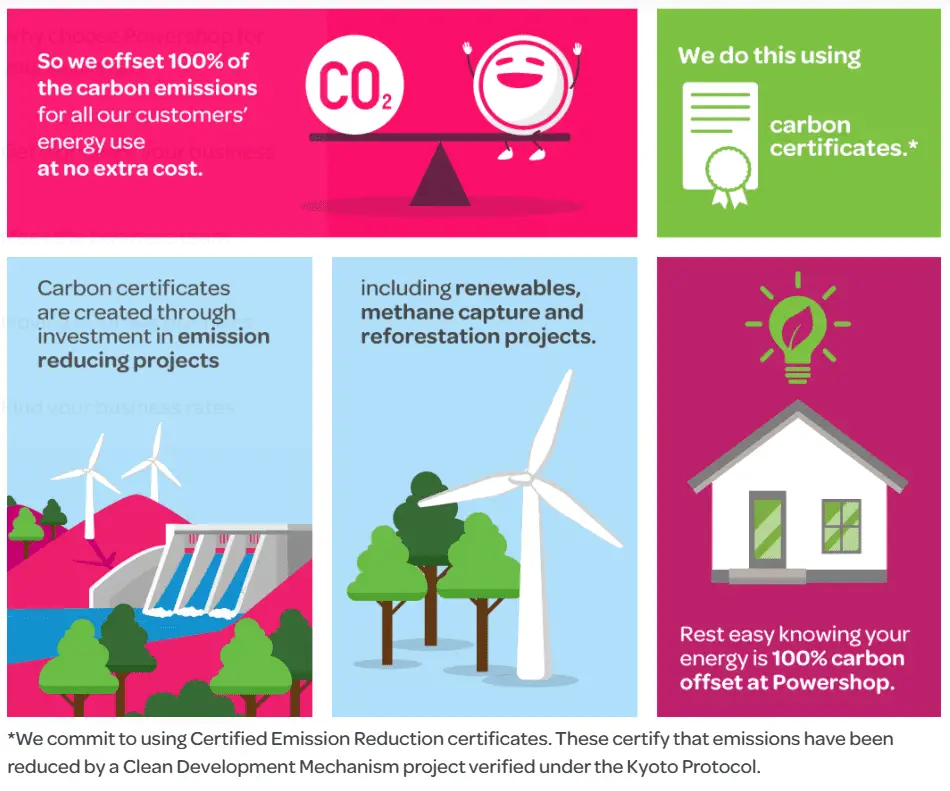
The carbon credits/ certificates are purchased from certified sustainability projects across the globe. You don’t get to choose the projects that get purchased – your energy retailer purchases certificates equivalent to your energy usage.
It seems most of the certificates/ carbon credits purchased by most energy retailers come from those approved by Climate Active.
Climate Active is a joint Australian Government and business initiative. Climate Active has a standard that companies need to follow when they are purchasing carbon credits. The types of credits that are approved under the standard are: Australian Carbon Credit Units (ACCUs), Certified Emissions Reductions (CERs), Verified Emissions Reductions (VERs), Removal Units (RMUs) and Verified Carbon Units (VCUs).
A whole lot of acronyms there, which can be very intimidating for a customer trying to find out more information! I couldn’t tell you what they all mean. But I can confirm the general process: essentially there are projects around the world that have negative emissions. They can work out how much carbon these projects remove from the atmosphere using different units (like the ones mentioned) and then sell these units/ carbon credits to interested parties. How the price is determined and how much money this brings to those selling these units I have no idea! But that’s how it works.
So a lot of energy retailers purchase these credits, at an amount equivalent to their customer’s usage. As a result, they can say that the energy plans they offer are “carbon neutral”.
Climate Active certifications exist at the product level – so they apply to energy plans – and they can also be applied at the organisation level, meaning that the carbon emissions for the operation of the company have been offset as well. Red Energy was the only notable retailer with organisation-wide certification.
In terms of availability, essentially all the major retailers offer carbon-neutral products, usually at no extra cost to the consumer or at a very minimal cost to the customer. The cost may be incorporated into the standard costs for the plan.
2. What do the critics say about carbon-neutral plans?
The biggest criticism is this: carbon-neutral plans don’t change where your energy comes from.
Your electricity still comes from the national grid, which is heavily reliant on coal and gas in many parts of Australia. Offsetting the emissions doesn’t stop them from happening in the first place — it just tries to balance them out elsewhere.
Carbon offsets are only as good as the projects they support — and not all offsets are created equal. Some common criticisms include:
- Poor accountability: It’s hard to verify whether an offset project (like a reforestation scheme overseas) is delivering the carbon savings it claims.
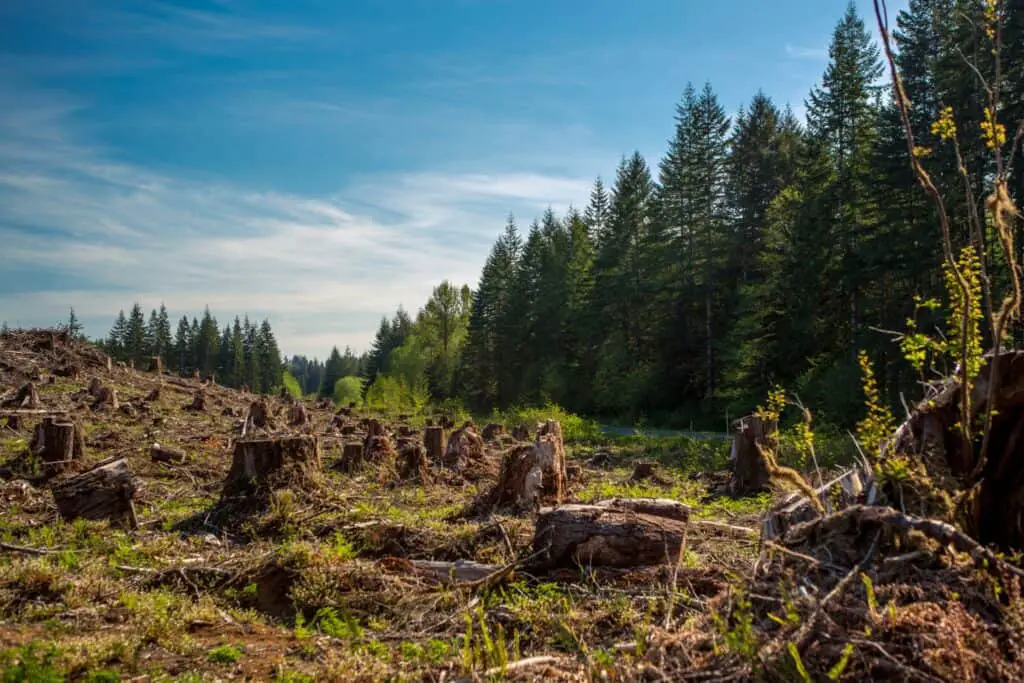
- Permanence issues: What happens if a forest burns down or gets logged later? Those emissions are released down the line and these actions are not tied back to the credits purchased years earlier to offset your emissions.
- “Avoided activities” credits: These are controversial because they’re based on hypothetical scenarios (“We would have cut down this forest… but didn’t”), not actual emissions reduced.
Carbon-neutral plans typically don’t fund renewable energy at all. Most of the money goes into offsetting emissions — sometimes overseas — with no guarantee it’s building a cleaner grid here at home.
So, even if your energy retailer is offsetting your emissions, it might not be with high-integrity carbon credits and you’re not necessarily supporting Australia’s transition to a renewable-powered future.
3. What are GreenPower energy plans?
The credits/ certificates purchased under carbon-neutral energy plans can relate to projects all around the world – not necessarily in Australia and not necessarily projects that directly invest in green energy.
To address this, there is a similar product available in the energy retail market called GreenPower.
GreenPower is a government-accredited scheme and it works just like carbon-neutral plans – but this time energy retailers buy ‘certificates’ generated by Australian-based renewable energy sources. This is used to offset a percentage of the energy you draw from the grid.
Again, by signing onto GreenPower energy plans, you aren’t getting renewable energy fed to your house – that is not possible. Instead, renewable energy is added to the grid on your behalf. The amount “added” depends on what type of GreenPower energy plan you sign up for.
GreenPower is usually offered at different rates – you can choose to have all of your energy offset using GreenPower (100%) or a portion of your energy bill can be offset using GreenPower.
Here’s a diagram from Canstar that demonstrates the process:
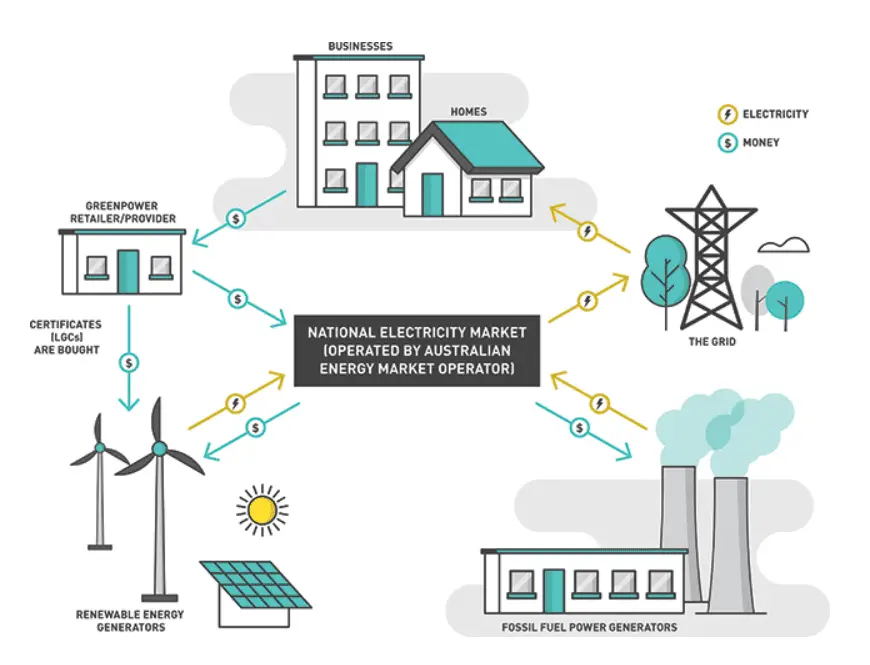
GreenPower can cost you a fair bit as a consumer – it can increase your household electricity bill by 20-50%. The range depends upon the retailer’s rates and the proportion of your energy bill that will be offset by GreenPower (i.e. 10%, 50% or 100%).
The advantage GreenPower has over carbon-neutral plans is that the offsets or certificates purchased directly lead to more renewable energy being created in the Australian market. You are creating demand for renewable energy and supporting Australian wind and solar projects, whereas offsetting through carbon neutral plans supports internationally based initiatives that draw down/reduce carbon in the atmosphere. You can think of GreenPower as building the future you want, while carbon-neutral plans clean up the mess you made.
4. What do the critics say about GreenPower?
Like carbon-neutral plans, GreenPower doesn’t change the electricity coming into your home. You’re still using the same grid electricity, which is a mix of coal, gas and renewables.
What GreenPower does is ensure more renewable energy gets generated and added to the grid, equal to the amount you nominate (10%, 50%, 100%).
Critics say this indirect impact can feel disconnected or underwhelming, especially when people expect a more hands-on change in their energy source.
How well GreenPower supports/ encourages the renewable energy market is debatable it seems. As noted in a review done by Canstar: “The program is so small, however, that it is unlikely to make the difference when a generator is deciding whether to install new renewable energy.”
Canstar also notes: “The GreenPower Program Review reports that the program contributed 8.6% of the growth in renewable energy generated over the period 1997-2013. The rest of the growth was driven by the mandatory requirements under the government’s Renewable Energy Target and other incentive programs”.
Despite being around for nearly two decades, GreenPower still has a low uptake among households and businesses — and awareness is patchy at best.
Its limited uptake and effect is not surprising given the cost this places on consumers. GreenPower is voluntary and comes at a cost anywhere from $5 to $10 a month for 100% GreenPower, depending on your usage.
Critics argue that this puts the responsibility (and cost) of the clean energy transition onto individual consumers, rather than the government or industry. And because the higher price tag can deter people from signing up, it limits the overall impact of the program.
5. Are carbon-neutral and GreenPower plans greenwashing?
Yes and no.
It all depends on how it’s marketed and who is doing the marketing.
When I was looking into the three big energy retailers (Energy Australia, AGL and Origin), who are also the biggest emitters of greenhouse gases in Australia, I was annoyed that they were coming across as being carbon-neutral, through their advertisements of carbon-neutral products. The biggest emitters of greenhouse gases could say they offer carbon-neutral products?!
It’s not a lie – they have carbon-neutral energy plans. But when those words are used on their website, it makes it seem that it is okay to sign up with these companies. Which I don’t think it is.
By signing up with these companies, you are supporting the biggest polluters in the country with your business. While they may be offsetting your carbon emissions, they are taking your money and using it to support non-renewable energy production.
So my issue is not with carbon-neutral plans and GreenPower as a concept – but mainly with how the three big energy retailers (and others like them) use these plans to position themselves as sustainable when in reality their operations are anything but sustainable. And how they can mislead others to believe that there is no issue in signing up with them because the energy plan is carbon neutral.
Staying completly away from AGL GreenPower – they almost got me there.
Want to know what you should be aware of when choosing an energy retailer, so you don’t fall for the “carbon neutral” marketing? Check out this blog post: What to look out for when choosing a green energy retailer.
6. Does signing up for these energy plans mean you are supporting the renewable energy market?
Signing up for a carbon-neutral plan does not mean you are supporting the renewable energy market.
If you are on a carbon-neutral plan, your energy still comes from the grid, which has energy from a mixture of sources. All that has happened is that there is now someone out there in the world planting more trees or producing renewable energy off the back of your energy use.
Not a bad thing.
As long as you keep in mind that fossil fuels were burnt to produce your energy. Which is an inescapable fact for most of us in Australia.

GreenPower is a little different because at least your emissions are offset by direct investment into the renewable energy market – so if your goal is to support green energy, this is one step closer compared to choosing carbon-neutral plans.
However, GreenPower does cost more and you would want to weigh up whether the extra cost is worth it. And keep in mind, GreenPower plans only “neutralise” carbon emissions associated with your energy use – the inescapable fact is that fossil fuels were burnt to produce your energy.
There seems to be no escaping that unless the energy generators (like AGL, Origin and Energy Australia) change the way they generate electricity.
7. Should you only go with carbon-neutral or GreenPower energy plans?
In my blog post, What to Look Out for When Choosing a Green Energy Retailer, a carbon-neutral/ GreenPower plan was noted among a list of other points to keep in mind when making a choice – in my opinion, it is a factor, but it does not need to be a deciding factor.
For me, it is more important that the energy retailer I go with is not owned by an energy producer that generates energy through fossil fuels.
Pricing is the next consideration for me.
This often rules out GreenPower – I have to be honest, I don’t want to be paying extra on my electricity bills if I can avoid it. Even if that extra means that it could help support the Australian renewable energy market (in a small but still measurable way).
So when I was looking into this, I focused on moving away from a retailer that generates electricity from fossil fuels (AGL) to one that has no part in that market. That change alone may have cost us a little extra (not by an amount I can measure and tell you since general energy costs keep rising, but I think it would cost a little less if I went back to AGL). So I can’t be adding the cost of GreenPower onto that.
So I focus on low-cost energy retailers that are not associated with fossil fuel-burning companies. And if these retailers offer carbon-neutral plans at no extra cost, I will go for them. But if they don’t offer those types of plans, I don’t sweat over it.
Taking my long-term business away from fossil fuel companies is where I think I can use my purchasing power to make a small impact – GreenPower and carbon-neutral plans do not factor into that.
How do I find a suitable retailer that is not associated with fossil fuel companies? How do I ensure they are low-cost? Well, that is something I cover in my blog post, Australian energy retailers worth doing business with and 5 Steps to Find a Low-Cost Green Energy Retailer so check them out if you want to learn more.
I encourage you to look into this further – it’s not hard and in the blog posts I have linked above, I’ve provided links to information I have gathered over time to make your choice of energy provider a lot easier to make. This is a key step we can take as individuals. Through these conscious choices, we can collectively work towards a more sustainable future 🌎
xxx Tahsin
References:
(1) https://www.canstarblue.com.au/electricity/renewable-energy-australia/
(2) https://www.powershop.com.au/carbon-neutral-certification/#/
(3) https://www.canstarblue.com.au/electricity/carbon-neutral-energy/
(4) https://www.climateactive.org.au/be-climate-active/certification
(6) https://www.amber.com.au/blog/supporting-renewable-energy-resources
(8) https://www.originenergy.com.au/electricity-gas/green/
(9) https://www.canstarblue.com.au/solar-power/renewable-energy-companies-australia/
(10) https://www.canstarblue.com.au/electricity/greenpower-need-to-know/
(12) https://greenerideal.com/news/climate/is-carbon-offsetting-a-solution-or-cop-out/
A Heads Up: This post may contain affiliate links that earn me a small commission at no additional cost to you. Also as an Amazon Associate, I earn from qualifying purchases. I only recommend products and services that will help you take steps towards a more sustainable life and will not recommend anything that does not align, in some way, with these values.